Articles
Generator parts: key components of a generator set
26 Marzo - 2026
Generator sets are essential equipment for ensuring a reliable power supply in critical infrastructures, industrial facilities, hospitals, data centres and construction projects.
When the electrical grid fails or is unavailable, these systems automatically start operating to maintain operational continuity.
Engineering expertise, system integration and strict quality control at every stage of the process are key factors in ensuring a reliable and efficient energy supply.
But how does a generator actually work? To understand this, it is important to know the main generator parts and how each component contributes to the overall performance of the system.
In this article, we explain the key components of a generator set, how they work together and why proper integration of these elements is essential to guarantee a stable and reliable electricity supply.

What is a generator set?
Before analysing the parts of a generator, it is useful to understand what a generator set actually is.
A generator set, often referred to as a genset, is a system designed to produce electrical energy from the chemical energy contained in fuel. The engine converts this energy into mechanical power, and the alternator subsequently transforms it into electrical power.
Generator sets are commonly used as:
- Backup or emergency power systems
- Primary power sources in off-grid locations
- Support systems during peak electricity demand
The coordinated operation of all generator set components ensures stable and reliable electricity production.
Main generator parts and components
A generator set is made up of several integrated systems that work together to produce electricity efficiently. Below are the most important parts of an electric generator.
Engine
The engine is one of the most important generator components. It converts the chemical energy stored in fuel into mechanical energy.
Most industrial generator sets operate using:
- Diesel
- Natural gas
- Alternative fuels such as HVO (Hydrotreated Vegetable Oil)
The engine’s power output largely determines the electricity production capacity of the generator set and is typically expressed in mechanical kilowatts (kWm) or horsepower (hp).
Alternator
The alternator is the component responsible for converting mechanical energy from the engine into electrical energy.
This process relies on the principle of electromagnetic induction. As the rotor spins within a magnetic field, electrical current is induced in the stator windings.
Alternators used in industrial generator sets are designed to deliver:
- High efficiency
- Stable voltage output
- Reliable performance during continuous operation
Alternator power is usually rated in kilovolt-amperes (kVA) and must be properly sized to match the engine in order to ensure stable generator performance.
Fuel system
The fuel system is responsible for storing and delivering the fuel required by the engine.
Typical diesel generator parts within the fuel system include:
- Fuel tank
- Fuel supply pumps
- Filters
- Fuel injectors
A reliable fuel supply is critical to maintaining generator performance and preventing interruptions in power generation.
Cooling system
During operation, engines generate significant heat. The cooling system maintains the equipment within a safe operating temperature range.
This system typically includes:
- Radiator
- Cooling fan
- Coolant circulation system
Without proper cooling, the engine could overheat and affect the overall performance of the generator set.
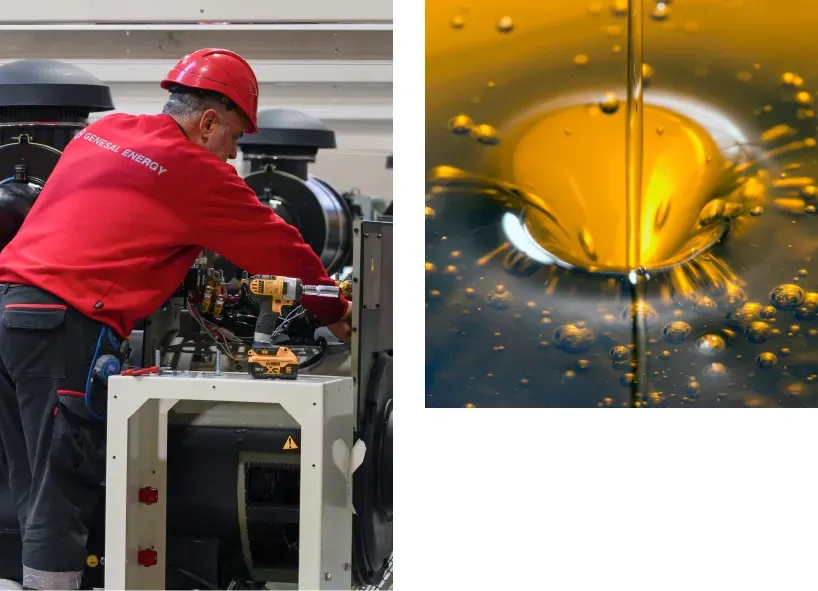
Lubrication system
The lubrication system reduces friction between moving engine parts, helping to:
- Reduce mechanical wear
- Lower operating temperatures
- Improve overall efficiency
It consists of lubricating oil, oil pumps and oil filters that ensure proper lubrication throughout the engine.
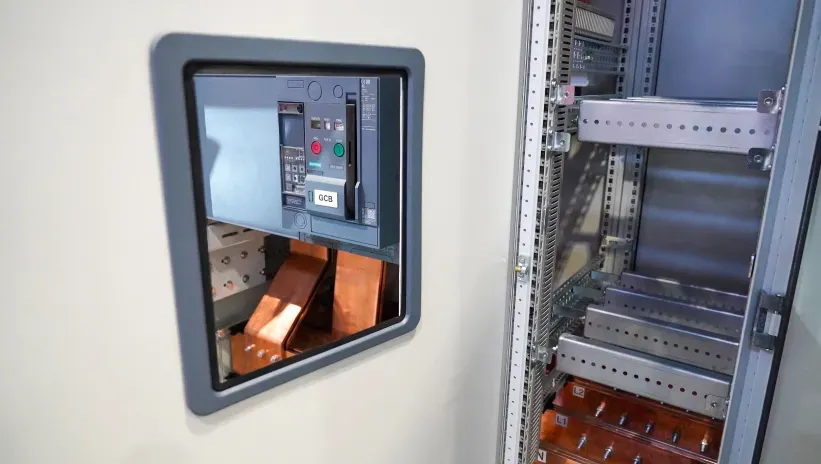
Control system and control panel
The control panel acts as the brain of the generator set, managing its operation and adjusting performance according to power demand.
Modern control systems usually include a display that allows operators to monitor key operating parameters.
Typical monitored variables include:
- Voltage
- Frequency
- Generated power
- Engine temperature
- Fuel level
Advanced control systems also allow the generator set to be integrated into complex power infrastructures through remote monitoring and control systems, adapting to the communication protocols and network architectures used in the installation.
Exhaust system
The exhaust system safely directs combustion gases away from the engine.
Main generator components within this system include:
- Exhaust manifold
- Silencer (muffler)
- Exhaust piping
This system also contributes to reducing generator noise levels. When required, generator sets can incorporate exhaust after-treatment systems to minimise environmental impact.
Frame or base structure
The frame is the structural base that supports all generator set components. It provides stability, facilitates installation and allows the equipment to be transported.
In many generator designs, the frame also incorporates the fuel tank, optimising space and improving operational efficiency.
For larger generator sets, integration into standard 20-foot or 40-foot containers is common, which simplifies transportation, installation and operation in industrial environments or critical infrastructures.
Why generator design and integration matter
Although most generators share similar generator parts, the way these components are designed and integrated has a significant impact on:
- Reliability
- Efficiency
- Durability
- Maintenance requirements
In critical environments such as hospitals, industrial plants or data centres, each component must be carefully engineered to ensure maximum performance and continuous power availability.
Engineering expertise in generator set design
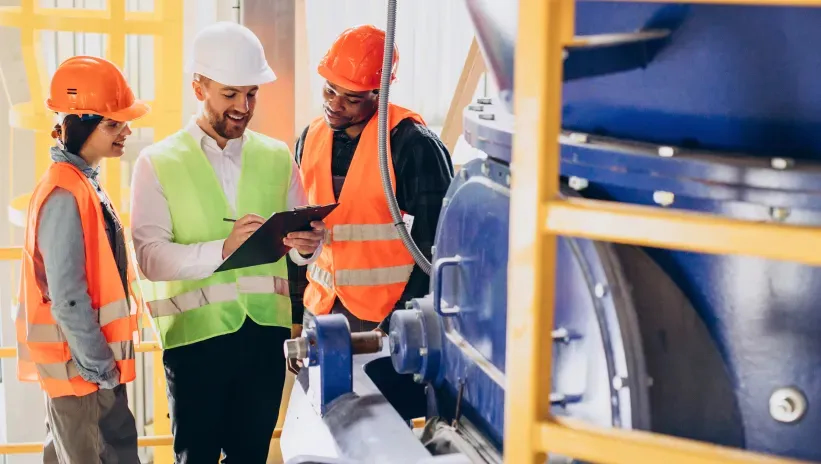
The proper operation of the different generator set components depends not only on the quality of each individual part, but also on their correct integration within the overall system.
We explain the key components of a generator set, how they work together and why proper integration of these elements is essential to guarantee a stable and reliable electricity supply.
For demanding energy projects, it is therefore essential to rely on manufacturers capable of delivering custom-engineered generator solutions tailored to each application. Engineering expertise, system integration and strict quality control at every stage of the process are key factors in ensuring a reliable and efficient energy supply.
Rellena el formulario con tus datos si quieres uno de nuestros grupos electrógenos o tienes dudas. Elaboraremos un presupuesto a tu medida.
Teléfono/Fax de atención al cliente:
+34 900 730 124
Mail equipo atención al cliente
consultas@genesal.com