Articles
How Often Should a Generator Set Be Inspected?
09 Junio - 2026
Generator sets are designed to respond when they are needed most. However, ensuring reliable operation in critical situations requires more than simply installing the equipment and leaving it unattended.
Proper maintenance is essential to guarantee that the unit starts correctly whenever a power outage occurs.
For this reason, one of the most common questions among facility owners and operators is: how often should a generator set be inspected? The answer depends on several factors, including operating hours, the working environment and the components integrated into the system. Nevertheless, there are some general guidelines that help keep the equipment in optimal condition throughout its service life.
Why Is Generator Set Maintenance Important?
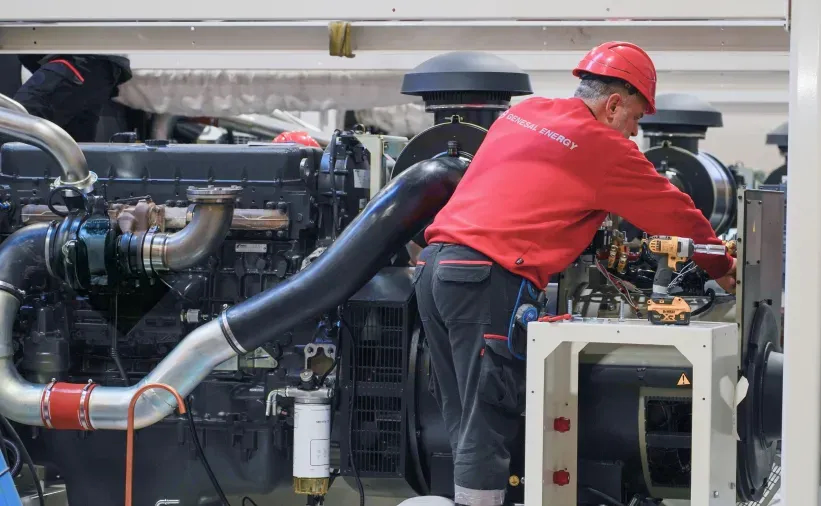
A generator set is a complex system primarily composed of an engine, alternator, control systems, fuel system, cooling system and exhaust system. Even when it remains unused for long periods, its components are still exposed to wear, humidity, temperature fluctuations and the natural ageing of materials.
Proper generator set maintenance helps to:
- Ensure the availability of the equipment when required.
- Reduce the risk of unexpected breakdowns.
- Extend the service life of the installation.
- Improve operational safety.
- Comply with manufacturer warranty requirements and applicable regulations.
- Optimise long-term operating costs.
How Often Should a Generator Set Be Inspected?
There is no single maintenance schedule that applies to every installation. However, standard practice combines periodic inspections with maintenance tasks based on operating hours.
Weekly or Fortnightly Inspections
In critical facilities such as hospitals, data centres or industrial infrastructures, it is common practice to carry out regular visual inspections to check:
- Overall condition of the equipment.
- Possible oil, fuel or coolant leaks.
- Fluid levels.
- Battery condition.
- Alarms or incidents recorded by the control panel.
These checks help identify minor issues before they develop into significant failures.
Monthly Inspection
Many generator sets incorporate automatic start systems programmed to perform regular test runs. This is particularly beneficial for the engine, but it also confirms that the equipment is capable of starting correctly when required.
During these inspections, it is recommended to:
- Verify correct engine starting.
- Check output voltage and frequency.
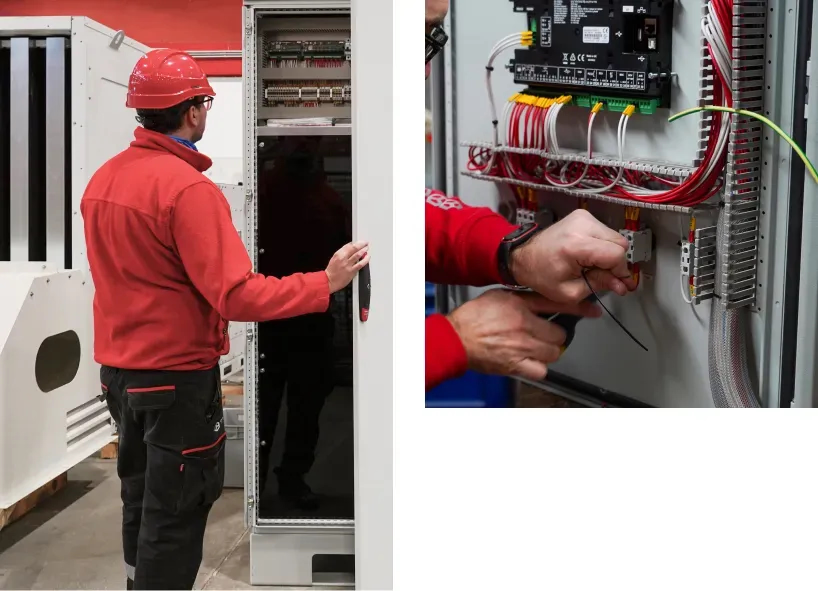
- Inspect control and protection systems.
- Assess the condition of batteries and battery chargers.
Maintenance Every 250–500 Operating Hours
Once the generator set accumulates a certain number of operating hours, more comprehensive preventive maintenance tasks should be carried out:
- Engine oil change.
- Replacement of oil filters.
- Inspection of fuel filters.
- Cooling system inspection.
- Verification of belts and electrical connections.
The exact interval will depend on the model and operating conditions.
Annual Maintenance
Even when the equipment has seen little use, a complete inspection should be carried out at least once a year.
This service typically includes:
- Comprehensive system inspection.
- Battery testing.
- Alternator inspection.
- Exhaust system inspection.
- Fuel tank verification.
- Load testing.
In installations where power continuity is essential, these tests are particularly important to ensure system reliability.
Factors Affecting Maintenance Frequency
The frequency of inspections may vary depending on several factors.
Type of Application
A generator set intended for emergency backup will not accumulate the same number of operating hours as one used as a primary power source. Although this generally results in less component wear, long periods of inactivity can make operation more difficult when the equipment is actually needed and may also affect emission reduction systems in units equipped with them.
Environmental Conditions
Installations located in marine environments, areas with high humidity, extreme temperatures or excessive dust require more frequent inspections.
Number of Operating Hours
Actual running hours are one of the main indicators used to plan preventive maintenance activities.
Fuel Quality
Fuel stored for extended periods may degrade and affect engine performance, making regular monitoring essential.
How Long Does an Electric Generator Last?
Another frequently asked question is: how long does an electric generator last?
The lifespan of a generator set depends on many factors, but a high-quality unit that is properly maintained can easily exceed 20 years of service.
From an operational perspective, many industrial engines are designed to achieve between 15,000 and 30,000 running hours before requiring major overhaul work, and can often exceed these figures when maintenance is carried out correctly.
Factors such as manufacturing quality, design suitability for the operating conditions, applied load and proper preventive maintenance are critical to maximising service life.
Signs That a Generator Set Needs Inspection
In addition to following the recommended maintenance schedule, certain warning signs may indicate the need for technical intervention:
- Starting difficulties.
- Excessive fuel consumption.
- Abnormal vibrations.
- Unusual noises.
- Loss of power.
- Recurrent control system alarms.
- Abnormal exhaust smoke.
If any of these symptoms are detected, it is advisable to contact qualified specialists for a detailed inspection.
Preventive Maintenance: The Best Guarantee of Reliability
A generator set only fulfils its purpose when it can respond immediately to a power supply interruption. For this reason, maintenance should not be viewed as an expense, but as an investment in safety, operational continuity and reliability.
Implementing a preventive maintenance programme tailored to the characteristics of each installation helps maximise equipment lifespan, reduce repair costs and ensure that power is available whenever it truly matters.
Rellena el formulario con tus datos si quieres uno de nuestros grupos electrógenos o tienes dudas. Elaboraremos un presupuesto a tu medida.
Teléfono/Fax de atención al cliente:
+34 900 730 124
Mail equipo atención al cliente
consultas@genesal.com